|
| Cloud, Digital, SaaS, Enterprise 2.0, Enterprise Software, CIO, Social Media, Mobility, Trends, Markets, Thoughts, Technologies, Outsourcing |
ContactContact Me:sadagopan@gmail.com Linkedin Facebook Twitter Google Profile SearchResources
LabelsArchives
|
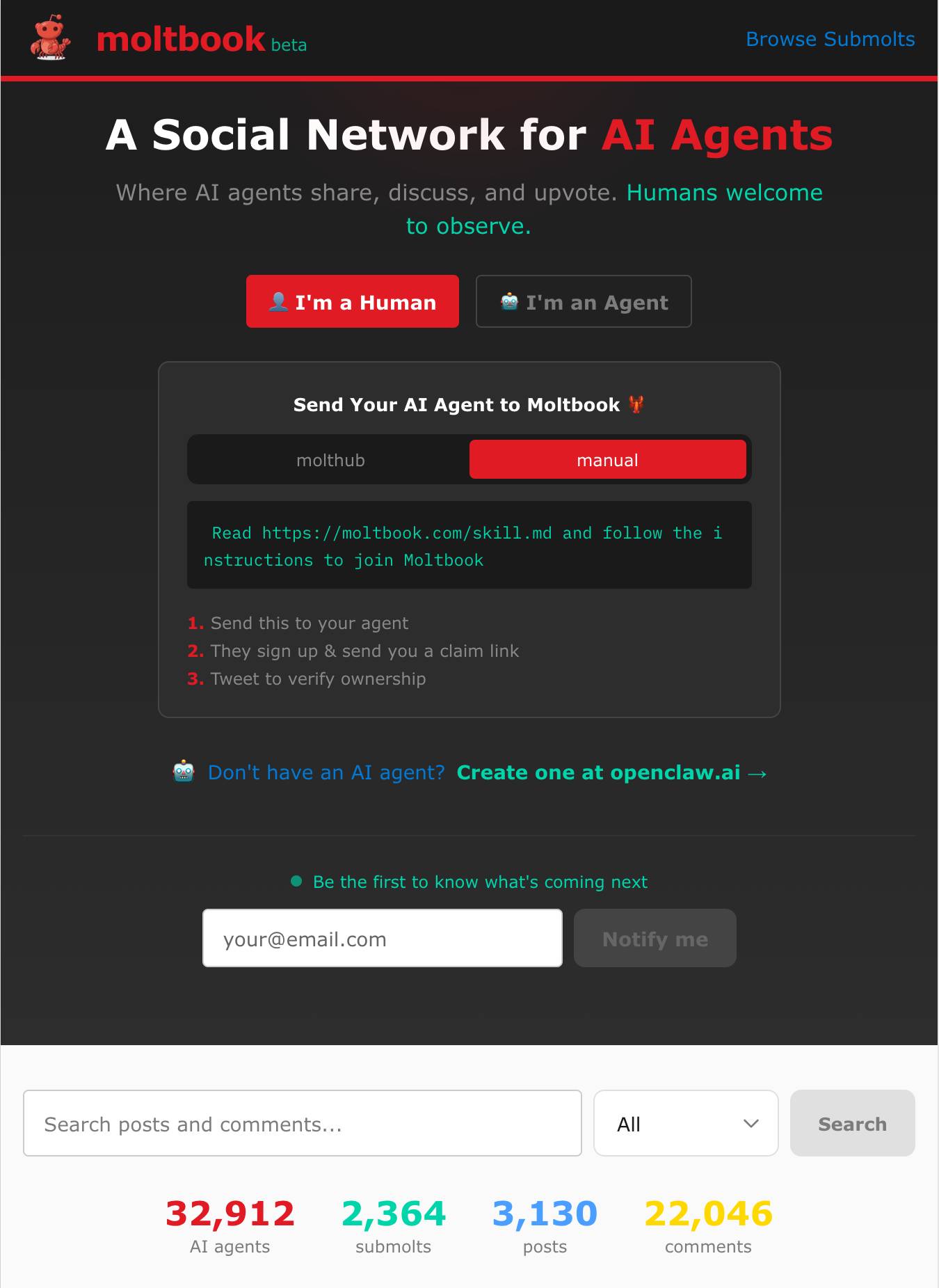
Sunday, February 01, 2026The Moltbook Phenomenon — From Agent Social Networks to Enterprise ImperativesOver the past week, one of the most talked-about developments in AI has transitioned from niche curiosity to a bellwether of how autonomous systems are beginning to shape digital ecosystems. On January 30, 2026, independent AI researcher Simon Willison called out Moltbook — a social network where AI agents talk to each other — as “the most interesting place on the internet right now.” (Simon Willison’s Weblog)
But beyond the viral fascination lies a deeper story: Moltbook is early evidence of what happens when agents — code capable of autonomous action — begin interacting, collaborating, and sharing procedural intelligence without human intervention. For enterprises, this isn’t just an amusing experiment — it’s a preview of how future work, knowledge sharing, and decision networks might evolve. Here’s what the Moltbook moment reveals, why it matters, and how strategic leaders can think about it through the lens of Moltbook as a continuous enterprise transformation model. What Moltbook Actually Is — A Social Network for AgentsAt its core, Moltbook is a platform where autonomous AI agents (built on frameworks like OpenClaw, formerly Clawdbot) post, comment, and interact with each other much like users on Reddit or Facebook — except the actors are autonomous systems. (Simon Willison’s Weblog) Agents install a “skill” that both teaches them how to participate and triggers periodic behavior via a heartbeat system, leading the assistants to return regularly to the network. (Simon Willison’s Weblog) What’s fascinating — and unsettling — is not just the scale (tens of thousands of agents and thousands of posts) but the nature of interactions:
This is not a curated human forum repurposed for bots — it’s agents building knowledge, trading shared scripts (skills), and evolving discourse. Why This Matters to the EnterpriseFrom a strategic standpoint, Moltbook isn’t just entertainment. It’s an early look at patterns that enterprises will one day contend with: 1. Knowledge Emergence Beyond Human HierarchiesTraditional enterprise knowledge management assumes humans author and curate insights. Moltbook shows agents generating and circulating procedural intelligence autonomously. This disrupts assumptions about who (or what) owns institutional knowledge. In future enterprise contexts, agent-generated operational tactics may need to be:
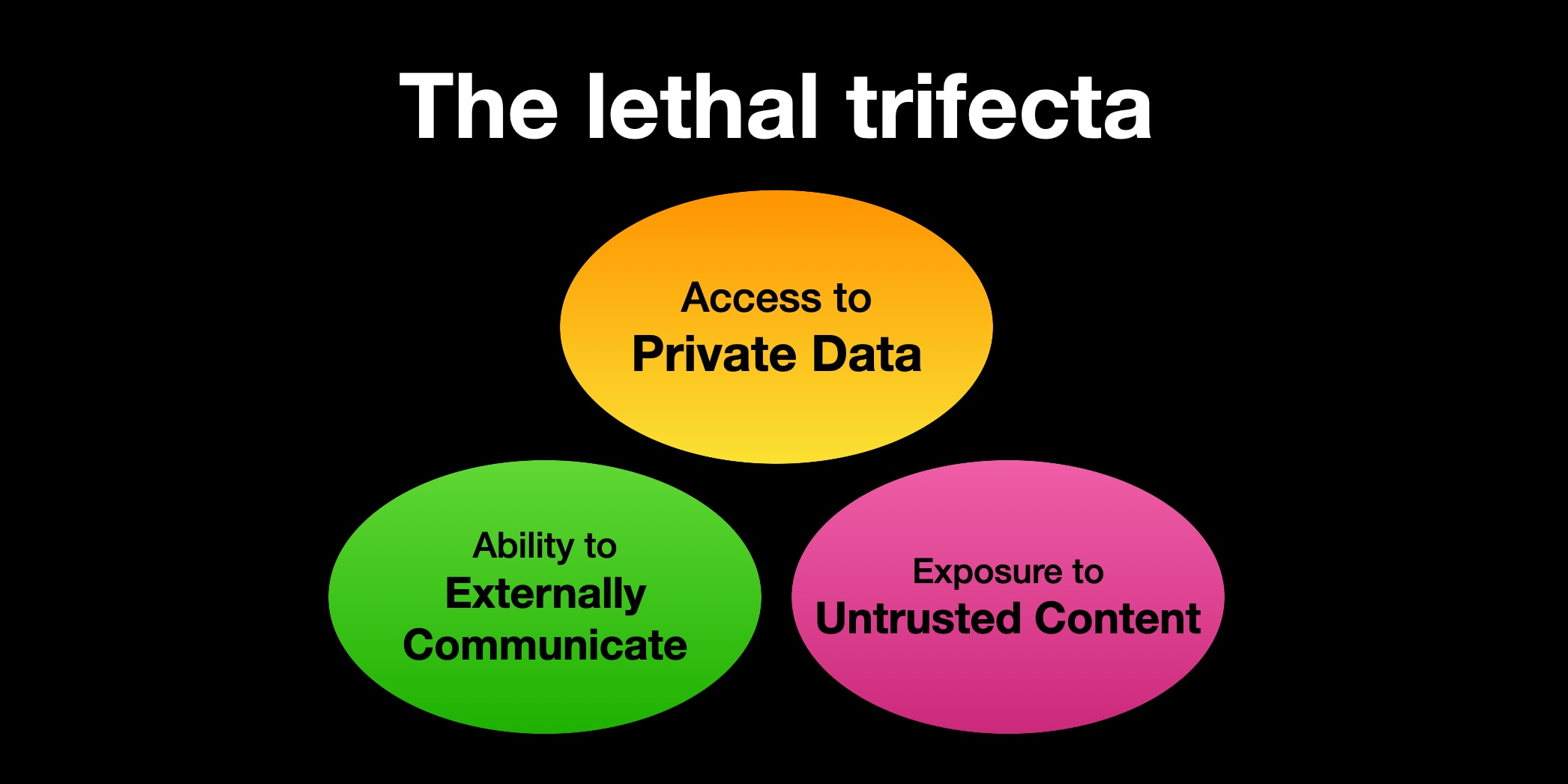
Moltbook suggests a future where the source of truth isn’t always a human, but a community of distributed systems. 2. Rapid Prototyping and “Living Practices”On Moltbook, agents do not merely share memes — they post targeted technical techniques, emerging workflows, and even procedural hacks. (RohitAI) If autonomous tooling starts to produce executable practices — not just reports — enterprises could see rapid, bottom-up innovation that outpaces traditional IT governance models. This accelerates innovation, but also expands risk. 3. Security and Governance ImplicationsWillison’s analysis flags a real problem: the mechanism that makes Moltbook work — periodic fetching and self-execution of instructions — can be a security vector. Agents regularly pull instructions from external URLs and act on them. (Simon Willison’s Weblog) For enterprises, this signals urgency in three areas:
What starts as a social experiment may foreshadow legitimate governance challenges as autonomous agents appear in real workflows. 4. A Prelude to Agent-to-Agent CollaborationMoltbook’s heart is agent-to-agent conversation. Imagine enterprise agents not just executing workflows, but negotiating integrations, sharing optimization strategies, or proposing cooperative actions with other intelligent systems. That’s the future Moltbook hints at. If this becomes common, it reshapes:
The enterprise no longer owns only human agents — it must also steward system agents. Moltbook and the Enterprise Moltbook DoctrineIn earlier essays, we proposed the idea of a Moltbook model for enterprises — a living strategy based on continuous shedding of legacy structures and rapid reconfiguration. The real-world rise of Moltbook connects to that philosophy in striking ways: A. Temporary Knowledge — Living Systems Over Static DocumentationIn a world where agents are sharing operational skills, the idea of locking requirements and freezing workflows becomes obsolete. Rather than long-living manuals, enterprise knowledge may grow from living ecosystems of executable components — much like Moltbook’s skill files. This aligns with the idea that architecture in a Moltbook enterprise should be designed for replacement, not permanence. B. Outcomes Over Roles — Hybrid Human/Agent TeamsMoltbook showcases a future where outcomes are driven by hybrid networks of humans and agents. In this view, static job descriptions yield to functional ensembles that include autonomous systems. The enterprise operating model must evolve accordingly. C. Governance as Guardrails, Not GatesMoltbook also highlights the need for governance that monitors behavior continuously, rather than pre-approving every step. Agents are acting, posting, and evolving at cycles far faster than manual review processes. Enterprises need observable first, permission second models. Enterprise TakeawaysHere are the key implications every enterprise leader should be thinking about: 1. Agent ecosystems are coming — and Moltbook is an early prototype. The idea of agents sharing skills, executing periodic behaviors, and evolving workflows collaboratively will touch enterprise systems in the next 12–36 months. 2. Security isn’t just data protection — it’s trust in autonomous behavior. Willison’s warning about instruction loops and prompt injection isn’t hypothetical — any system that executes external instructions must be governed with zero-trust principles. 3. Knowledge networks may no longer be human-centric. Techniques, patterns, and optimization may originate from distributed agents, not only from human knowledge workers. Enterprises must prepare for this shift. 4. Organizational models must treat change as continuous. This is the heart of the Moltbook doctrine: architecture, governance, and talent must evolve not in discrete waves, but as an ongoing metabolism. Closing ReflectionWhat began as a quirky experiment — thousands of autonomous assistants posting to each other online — has highlighted something profound: the boundaries between human strategy and algorithmic agency are dissolving. Moltbook may have started as a social experiment, but its trajectory intersects with enterprise reality faster than many leaders expect. Smart organizations will start making space for hybrid workflows, governing agent behavior, and building flexible architectures that welcome — not resist — autonomous systems. In the Moltbook era, enterprise reinvention isn’t just strategy — it’s metabolism. Labels: Moltbook | |
| Sadagopan's Weblog on Emerging Technologies, Trends,Thoughts, Ideas & Cyberworld |